
Understanding Motor Skills in Early Infancy
Watching your infant grow and develop is a journey filled with milestones. Motor skills are a fundamental part of this progression, encompassing everything from head control to eventually walking. These skills develop in a generally predictable sequence, but it is important to remember that every child progresses at their own pace. A slight variation from typical timelines often falls within the normal range of development. Your observation of these early movements can provide valuable insights into your child’s developmental path.
What are Motor Skills?
Motor skills refer to the coordinated movements of muscles and limbs. They are broadly categorized into two types:
- Gross Motor Skills: These involve large muscle groups and whole-body movement, such as rolling, sitting, crawling, and walking. They are foundational for mobility and balance.
- Fine Motor Skills: These involve smaller muscle groups, particularly in the hands and fingers, enabling tasks like grasping, reaching, and manipulating objects. These skills are crucial for tasks requiring precision and dexterity.
The Spectrum of Development
While developmental charts offer general guidelines, they represent a range, not a rigid deadline. A child might achieve some milestones earlier and others a little later. This variability is normal. The focus is on the pattern of development and whether new skills are emerging consistently, even if at a slightly different pace. Observing a lack of progress or a regression in previously acquired skills is typically more significant than a minor delay in a single milestone.
For parents and caregivers concerned about the developmental milestones of their infants, understanding motor delays is crucial. An insightful article that complements the topic of “Motor Delay in Infants: Early Signs by Month” can be found at DeveloKids. This resource provides valuable information on identifying early signs of motor delays and offers guidance on how to support your child’s development effectively.
Early Signs of Motor Delay: What to Observe

When observing your infant’s development, it is helpful to look for patterns rather than isolated instances. Persistent absence of certain motor behaviors or a significant lag across multiple areas may warrant further discussion with a healthcare professional. These observations are not definitive diagnoses but rather indicators for further assessment.
1. By 1-2 Months: Head Control and Reflexes
During the first couple of months, an infant’s movements are largely reflexive. However, signs of emerging head control are important to note.
- Persistent Head Lag: When you gently pull your infant up from lying on their back to a sitting position, their head should not consistently fall back completely. While some head lag is normal in the first month, by two months, you would expect to see your infant attempting to lift their head or showing some momentary control.
- Limited Spontaneous Movement: While young infants sleep a lot, when awake, they should show some spontaneous kicking and arm movements. A child who appears unusually floppy or stiff, with minimal movement, might warrant observation.
- Absent or Weak Primitive Reflexes: While a doctor checks these, you might notice if your infant has a very weak sucking reflex or does not grasp your finger when placed in their palm (palmar grasp reflex). These reflexes are typically robust in the first few months.
2. By 3-4 Months: Strengthening and Intentional Movement
At this stage, you typically see a significant improvement in head control and the beginning of more intentional movements.
- Lack of Head Stability: By 3-4 months, most infants can hold their head up steadily for short periods when supported in a sitting position or during tummy time. A child who still has very poor head control, with their head consistently flopping, might be exhibiting a delay.
- Not Pushing Up on Forearms during Tummy Time: When placed on their tummy, a child at this age should be able to lift their head and chest, supporting themselves on their forearms. They might turn their head from side to side. If your child consistently keeps their head down or struggles to lift it at all, this could be a sign.
- No Reaching or Swatting at Objects: While not precise, infants at this age often begin to reach for or swat at toys dangling above them. A lack of interest or inability to attempt these movements could be noted.
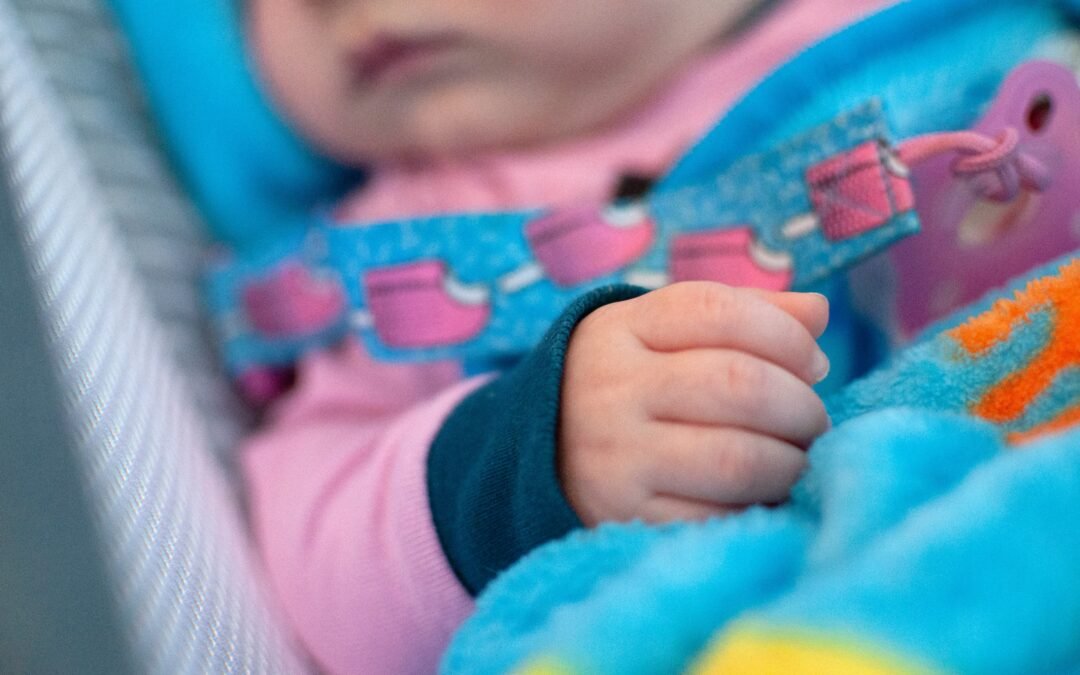
- Persistent Hand Fisting: While some hand fisting is normal, by 3-4 months, hands should be opening more frequently. If your child’s hands are consistently fisted, it’s something to observe.
Understanding motor delay in infants is crucial for early intervention and support. For parents and caregivers seeking more information on this topic, a related article can provide valuable insights into the early signs of motor development by month. You can explore this further in the article found here, which discusses various milestones and what to watch for as your child grows. Recognizing these signs early can make a significant difference in a child’s development journey.
3. By 5-6 Months: Rolling and Early Sitting
This period is marked by significant gross motor achievements, particularly rolling and the preparation for sitting.
- Not Rolling Over in Either Direction: Most infants can roll from tummy to back or back to tummy by 6 months. Some start earlier. If your child shows no inclination or ability to roll in either direction, it is a point of observation.
- Inability to Sit with Support: By 6 months, many infants can sit briefly with minimal support, like propping themselves with their hands, or can maintain a sitting position when fully supported. A child who collapses immediately or shows no attempt to support themselves even with help might indicate a delay.
- Lack of Bringing Feet to Mouth: This is an important precursor to core strength and body awareness. Infants often grasp their feet and bring them to their mouth around this age.
- Asymmetrical Movement: If you notice your child consistently uses one side of their body more than the other, or always rolls to one side, this could be a subtle sign requiring attention.
4. By 7-9 Months: Sitting Independently and Pre-Crawling
This phase sees infants mastering independent sitting and often starting to explore movement on their own.
- Not Sitting Independently: By 8-9 months, most infants can sit independently for several minutes, often transitioning into and out of the sitting position. A child who still requires full support to sit or cannot maintain balance might be experiencing a delay.
- Not Bearing Weight on Legs When Pulled to Stand: While not expected to stand independently, when held with feet on a firm surface, an infant at this age should push down with their legs and attempt to bear some weight.
- Lack of Crawling or Any Form of Locomotion: While there are many ways to crawl (commando crawl, classic crawl, scooting), a child who makes no attempt to move around on their own – even by scooting on their bottom or rolling strategically – by 9 months, should be observed. Some children skip traditional crawling and go straight to cruising, but some form of self-initiated movement is usually present.
- Poor Fine Motor Skills: Not transferring objects from one hand to another, not picking up small objects (pincer grasp usually develops later, but raking or crude grasp should be present), or not banging two objects together are also points to note.
5. By 10-12 Months: Pulling Up and Cruising
The end of the first year often brings significant mobility and readiness for walking.
- Not Pulling to Stand: By 10-12 months, most infants are pulling themselves up to a standing position using furniture or other supports.
- Not Cruising (Walking While Holding Onto Furniture): Many infants begin to cruise along furniture during this period, preparing for independent walking.
- Lack of Independent Steps (Even a Few): While walking independently often occurs after 12 months, some infants take a few tentative steps on their own by their first birthday. A complete lack of any attempt or inability to stand unsupported even briefly by 12 months warrants attention.
- Poor Pincer Grasp Development: By 12 months, the ability to pick up small objects using the thumb and forefinger (pincer grasp) should be developing.
- No Attempts to Point or Wave: These gestures, while also communication milestones, involve fine motor coordination.
When to Seek Professional Guidance

Observing developmental milestones is not about comparison or pressure, but about ensuring your child receives timely support if needed. If you notice persistent concerns or a cluster of delayed milestones, it is always best to consult with a healthcare professional.
Who to Consult
- Pediatrician or Family Doctor: Your primary care physician is the first point of contact. They can assess your child’s overall development, perform initial screenings, and offer reassurance or referrals.
- Developmental Pediatrician: These specialists focus on developmental and behavioral issues in children. They can provide comprehensive assessments and diagnoses.
- Pediatric Neurologist: If there are concerns about neurological causes, a neurologist might be consulted.
- Physical Therapist (PT) or Occupational Therapist (OT): These therapists specialize in improving gross and fine motor skills, respectively. They can assess your child’s motor development and recommend interventions. In India, a referral from a pediatrician is often helpful for consultations with these specialists.
What to Expect During a Consultation
When you consult a doctor, they will likely:
- Ask about your observations and your child’s medical history.
- Perform a physical examination and neurological assessment.
- Assess your child against developmental milestones using standardized tools.
- If concerns persist, they may recommend further investigations or refer you to specialists.
General Cost and Resources in India
- Consultation Fees: Pediatrician consultation fees in India can range from ₹500 to ₹1500 or more, depending on the city, clinic, and experience of the doctor. Specialist consultations (Developmental Pediatrician, Neurologist) might be higher, ranging from ₹1000 to ₹3000+.
- Therapy Costs: Physical and Occupational therapy sessions can cost ₹500 to ₹1500 per session, again varying by location and facility.
- Government Resources:
- Rashtriya Bal Swasthya Karyakram (RBSK): This program under the Ministry of Health and Family Welfare screens children from birth to 18 years for 4Ds – Defects at birth, Deficiencies, Diseases, and Developmental Delays including Disabilities. It aims for early detection and intervention. You can inquire about RBSK services at your local government health center (PHC/CHC).
- District Early Intervention Centers (DEICs): These centers, often part of government hospitals, provide services for early identification and intervention for developmental delays.
- Government Hospitals: Many government hospitals have pediatric departments and may offer developmental assessments and therapy services at subsidized rates or free of cost.
Reassuring Notes on Development
It is natural to feel concerned if you notice a potential delay, but remember that many factors influence development. Minor variations are common, and early intervention, if needed, can make a significant difference. Trust your instincts as a caregiver, and do not hesitate to discuss any concerns with a healthcare professional. They are your best resource for accurate information and personalized guidance.
Development is a continuous process, and children achieve skills at their own pace. What matters most is consistent progress and the emergence of new abilities over time.
Disclaimer: This article provides general information and is not a substitute for professional medical advice, diagnosis, or treatment. Always seek the advice of your pediatrician or other qualified health provider with any questions you may have regarding a medical condition or developmental concerns. Never disregard professional medical advice or delay in seeking it because of something you have read in this article.